What Interior Designers Need to Know When Specifying Artificial Planting
« Back06/10/2026 - Interior Design
Artificial planting has become a core part of the interior design conversation, no longer a finishing touch but a considered material choice that shapes how a space looks, feels and performs. As more artificial green wall and biophilic design elements appear in commercial, hospitality and residential briefs, here's what's worth knowing before specifying.
Realism is in the detail
The difference between convincing and unconvincing planting is in the finish. Look for natural colour variation, fuller and more irregular foliage, and realistic stems and textures. In spaces seen up close, such as reception desks, restaurants and lounges, high-quality artificial plants make all the difference.
UV stability matters for sunlit spaces
Glazed frontages, atriums and terraces expose planting to strong light. UV resistance in artificial plants keeps colours fresh rather than fading, so request UV-stable, inherently flame-retardant products and make sure the details sit alongside your spec sheets.
Low maintenance, high design flexibility
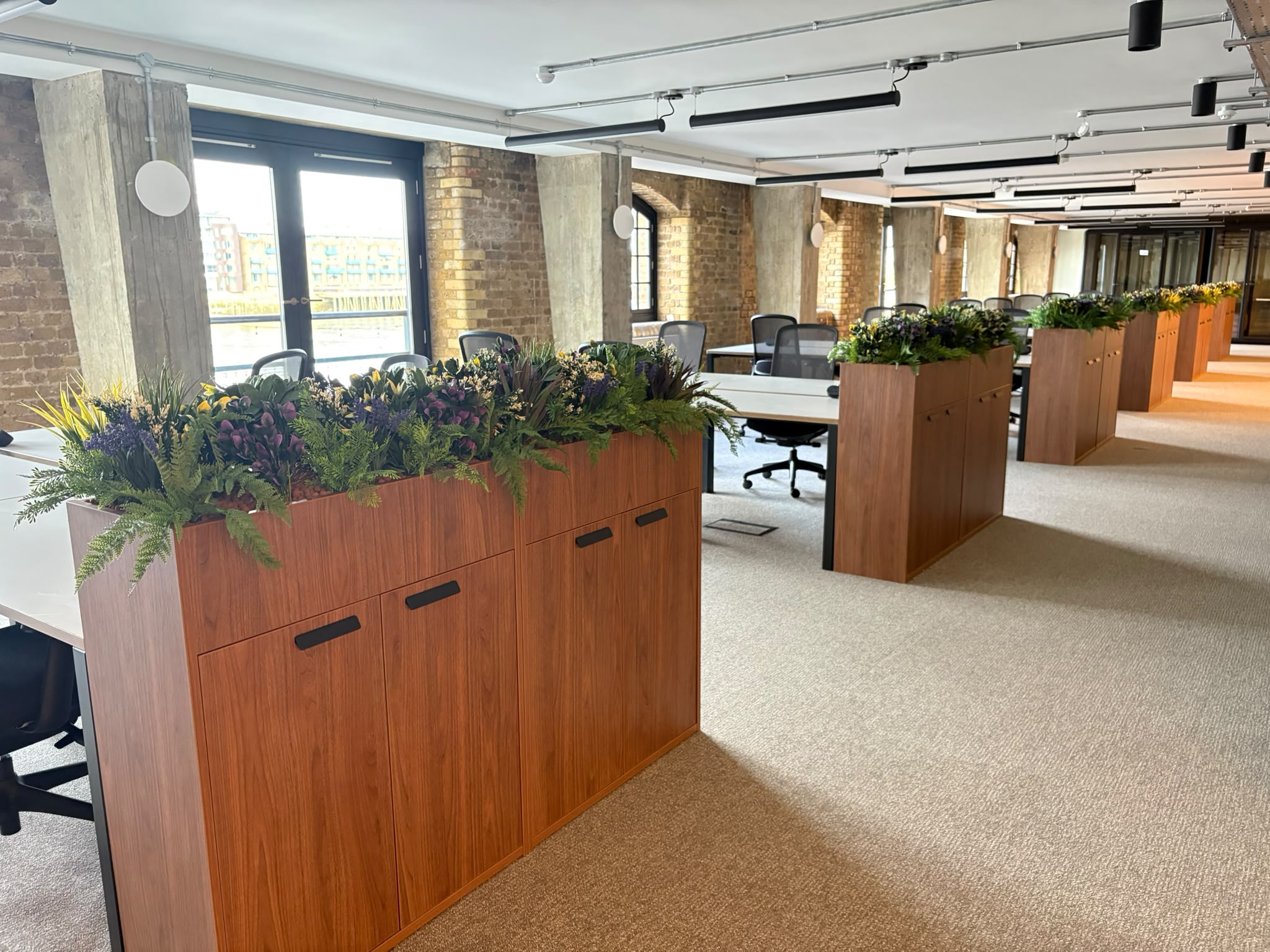
Low maintenance artificial plants remove the watering, replacement and seasonal dieback that living planting demands. That means lush, realistic greenery in spaces with limited natural light or difficult access, without handing your client an ongoing service burden.
Bespoke specification is often possible
A considered scheme rarely fits off-the-shelf. Green Envee's bespoke artificial planting service allows for custom colours, shapes and scale, from replica trees built to precise dimensions to interior artificial green walls and logo feature walls tailored to a specific space.
Plan practicalities early
Delivery routes, fixing methods, wall and ceiling conditions and programme timings are far easier to resolve at concept stage than on site. Bringing a planting specialist in early helps with product selection, budget and scale.
Support at the design stage
As artificial planting solutions for interior designers become a more established part of biophilic and sustainable design, getting the detail right at specification stage ensures the finished result performs as beautifully as it looks.